
What makes a good website design (2024 guide).
if you are here, you are probably with a website but not sure if the design fits your needs, if you are without one yet, this covers what your business is missing without a website
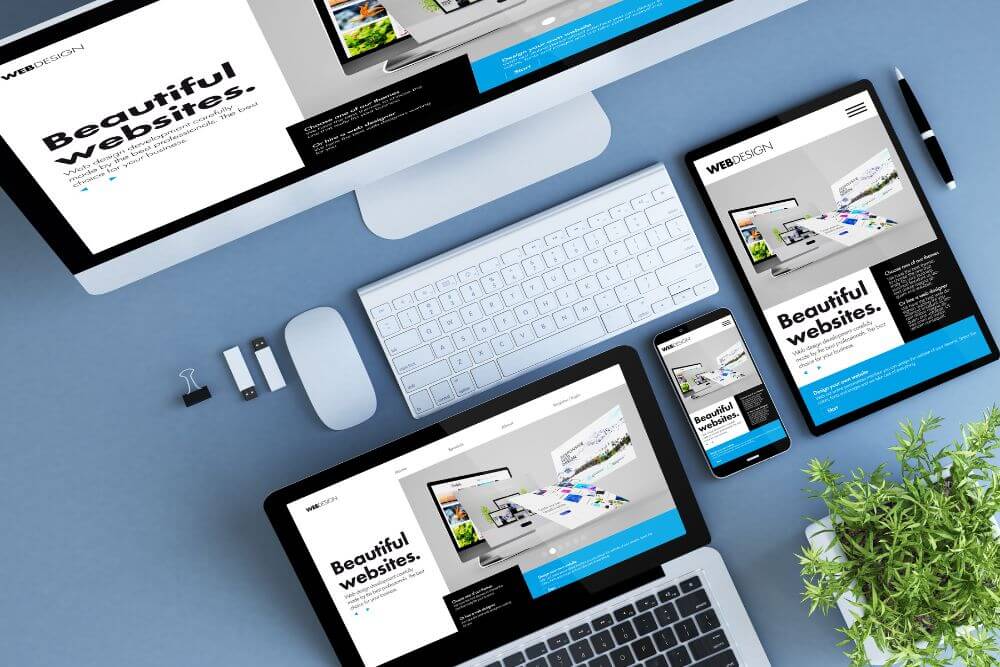
An effective website design should fulfil its intended function by conveying its particular message whilst simultaneously engaging the visitor. Several factors such as consistency, colours, typography, imagery, simplicity, and functionality contribute to good website design.
When designing a website there are many key factors that will contribute to how it is perceived. A well-designed website can help build trust and guide visitors to take action. Creating a great user experience involves making sure your website design is optimized for usability.
Qualities of a good website design
A strong website empowers users to achieve the jobs they set out to do and provides a smooth, frictionless user experience (UX). Learn what that looks like with these guidelines on what makes a good website and use our examples to inspire your own design.
1. Clear Purpose

Your website needs to accommodate the needs of the user. Having a simple clear intention on all pages will help the user interact with what you have to offer. What is the purpose of your website? Are you imparting practical information like a ‘How to guide’? Is it an entertainment website like sports coverage or are you selling a product to the user? There are many different purposes that websites may have but there are core purposes common to all websites;
- Describing Expertise
- Building Your Reputation
- Generating Leads
2. Simplicity

Simplicity is the best way to go when considering the user experience and the usability of your website. Below are ways to achieve simplicity through design.
Color...
Color has the power to communicate messages and evoke emotional responses. Finding colors that fit your brand will allow you to influence your customer’s behavior towards your brand. Keep the color selection limited to less than 5 colors. Complementary colors work very well. Pleasing color combinations increase customer engagement and make the user feel good.
Typography
Typography has two main purposes in website design. The first is to promote legibility, and the second is to help communicate the messaging, tone, and sentiment of a design.
Another function of typography revolves around aesthetics. We’re drawn to visually attractive designs that are clean and easy on the eyes. In contrast, if a design is busy, confusing, and causes us to strain our eyes, we run the other way. Thus, it’s in our best interest, and our clients, to learn how to effectively use typography in website design.
Imagery
Imagery is every visual aspect used within communications. This includes photography, illustration, video and all forms of graphics. All imagery should be expressive and capture the spirit of the company and act as the embodiment of their brand personality. Most of the initial information we consume on websites is visual and as a first impression, it is important that high-quality images are used to form an impression of professionalism and credibility in the visitors’ minds.
3. Visual ranking
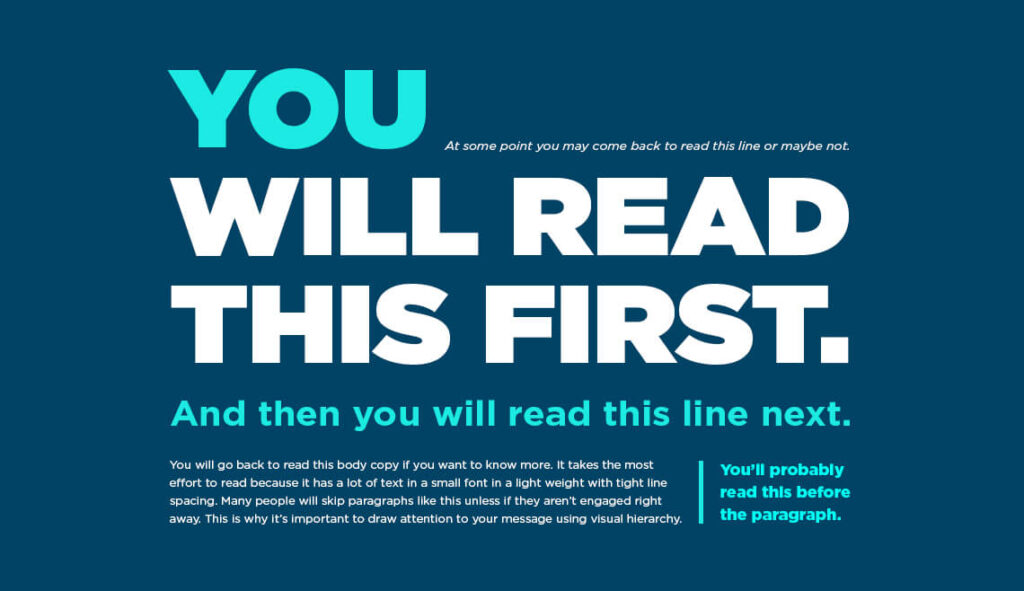
Visual ranking is the arrangement of elements in order of importance. This is done either by size, colour, imagery, contrast, typography, whitespace, texture and style. One of the most important functions of this is to establish a focal point; this shows visitors where the most important information is.
Without visual ranking/hierarchy, your information will appear as a giant wall with no guideposts for the visitors. By creating a hierarchy of visual elements, you can guide users through the information being presented, improving the user experience.
4. Quality content
An effective website has both great design and great content. Using compelling language great content can attract and influence visitors by converting them into customers.
Engaging content is more likely to be shared on social media, commented on, and liked. By creating quality content, you can increase engagement with your target audience, leading to increased brand awareness and more leads and sales.
5. Mobile responsiveness
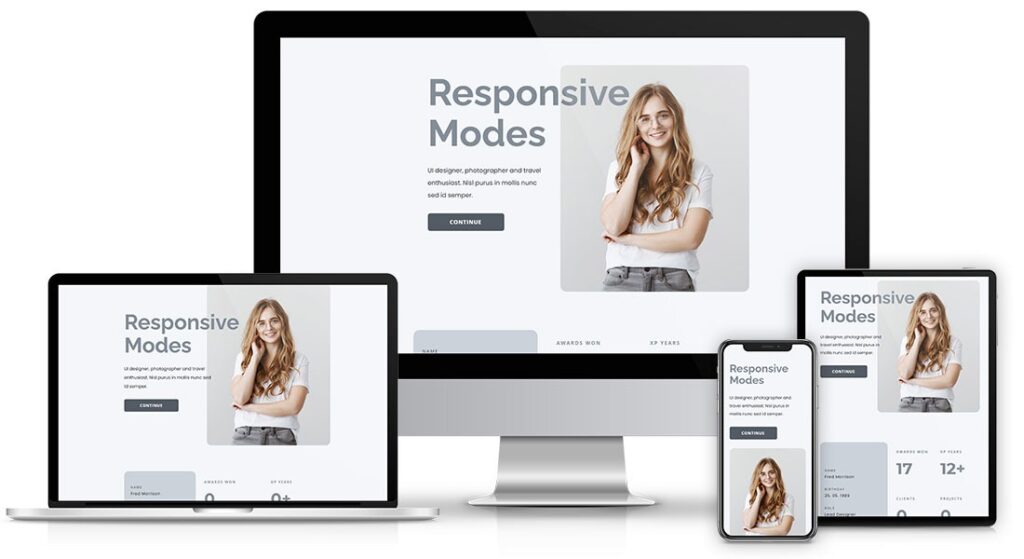
Many people are using their phones to browse the web. It is important to consider building your website with a responsive layout where your website can adjust to different screens.
There are also SEO Benefits: Search engines, like Google, prioritize mobile-friendly websites in their rankings. A well-optimized site can improve your search engine visibility, attracting more organic traffic. Reduced Bounce Rate: If your website isn’t mobile-friendly, visitors are more likely to leave it within seconds.
Our team will breathe life into your website and tell your story We are a team of creative practitioners in the areas of web design and digital technology. Get in touch to find out more.